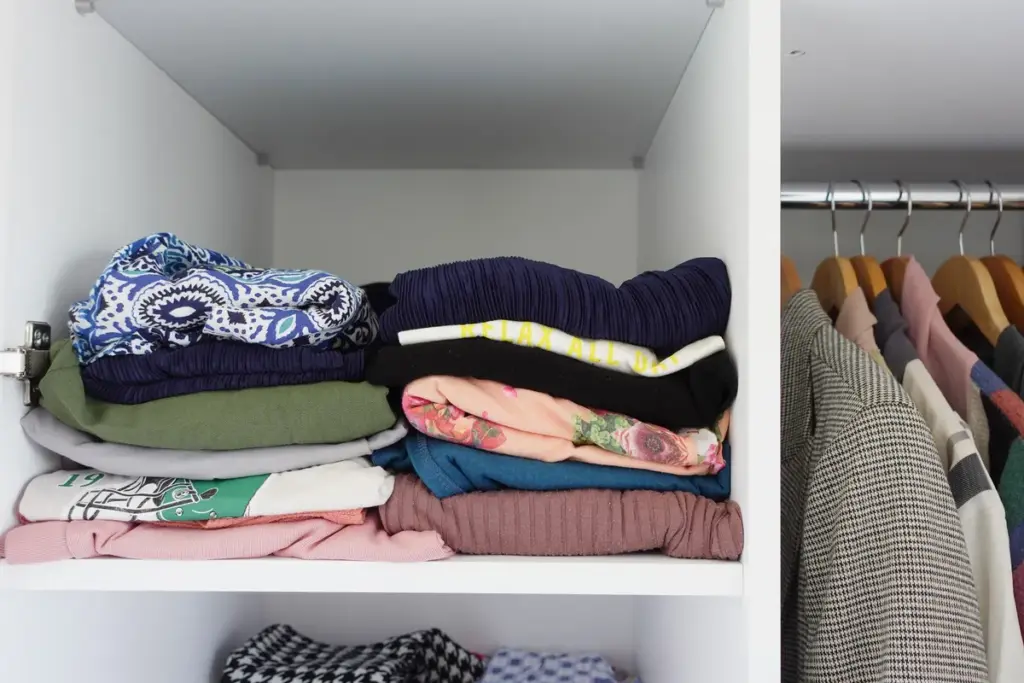
Living in New York City means making peace with small spaces, and for most people, that peace never fully arrives. Whether you’re in a 400-square-foot studio in Astoria or a two-bedroom walkup in Park Slope, apartment organization NYC is a challenge that comes with the territory. The city doesn’t give you much room to breathe, let alone store a winter coat collection and a stand mixer. But the good news? Getting your space under control is less about buying more storage bins and more about rethinking how you live in the space you already have.
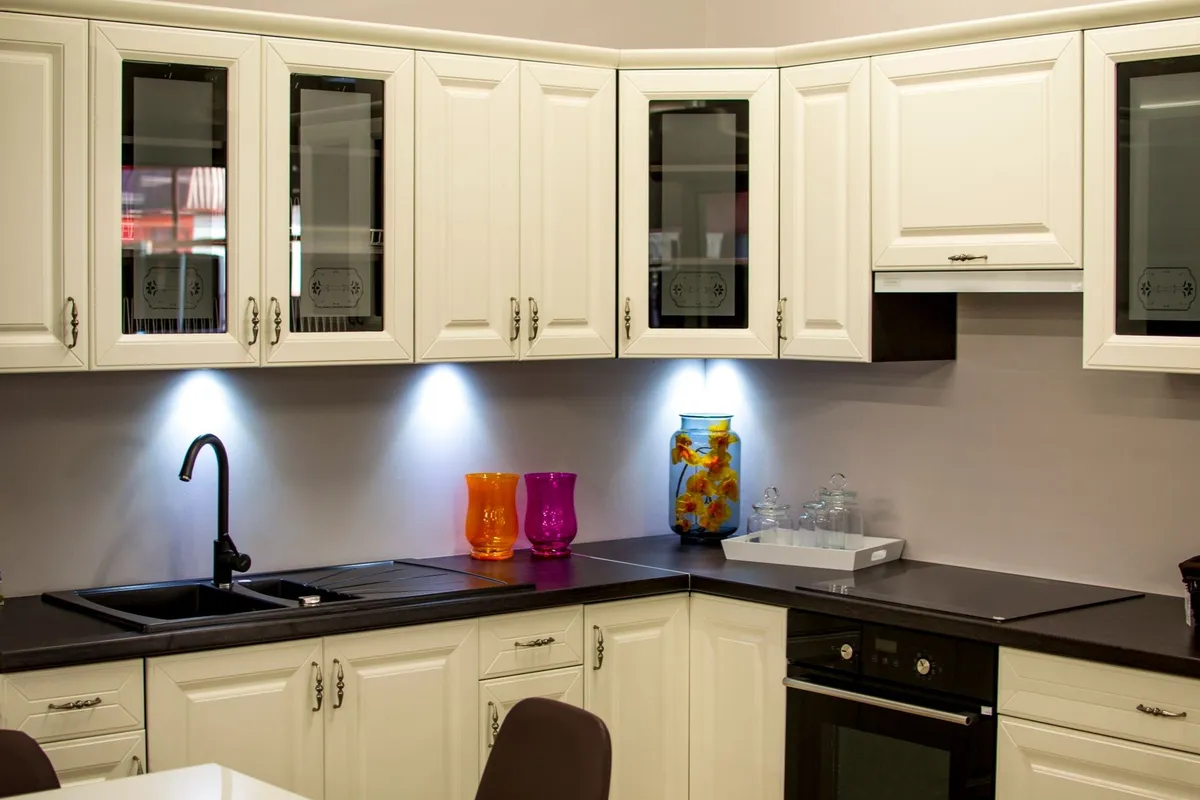
The Stuff You Own Is Not the Real Problem
Here’s something most people get wrong: they assume clutter is a quantity problem. So they donate a bag of clothes, feel good for a week, and then find themselves right back in the same mess two months later. The real issue isn’t how much you own, it’s that most New Yorkers have never set up a system that actually fits their daily habits.
Think about how you actually move through your apartment. Where do you drop your keys when you walk in? Where do your shoes end up? Where does the mail pile? Those spots are telling you something. Instead of fighting those habits, build your organization around them. Put a small hook by the door. Add a tray for mail right where it lands. Stop trying to be a different person and start designing a space that works for the person you already are.
This is exactly the kind of thinking that professional organizers bring to the table. A good home organization service in NYC doesn’t just tidy up, they look at how you use your space and build structure around your real life, not some idealized version of it. Many clients say the biggest shift wasn’t getting rid of things, but finally having a place for everything that made sense to them.
Vertical Space Is Your Most Underused Asset
New York apartments are short on floor space, but most of them have surprisingly generous ceiling height. Yet the average apartment dweller uses maybe the bottom five feet of wall space and leaves everything above it completely empty. That’s a missed opportunity.
Floating shelves above desks, beds, and sofas can hold books, plants, and everyday items without eating into your floor plan at all. In kitchens, a simple wall-mounted magnetic strip for knives and utensils frees up an entire drawer. In bathrooms, often the most chaotic room in a small apartment, an over-the-toilet shelf unit can triple your storage without any renovation.
Closets deserve special attention here too. Most closets in NYC apartments come with a single rod and a shelf above it, which is genuinely one of the least efficient storage configurations possible. Adding a second hanging rod, some shelf dividers, and a few over-the-door organizers can effectively double your closet capacity. If you want a deeper look at how to approach this, this guide on how to declutter and organize a NYC apartment closet the right way breaks it down step by step.
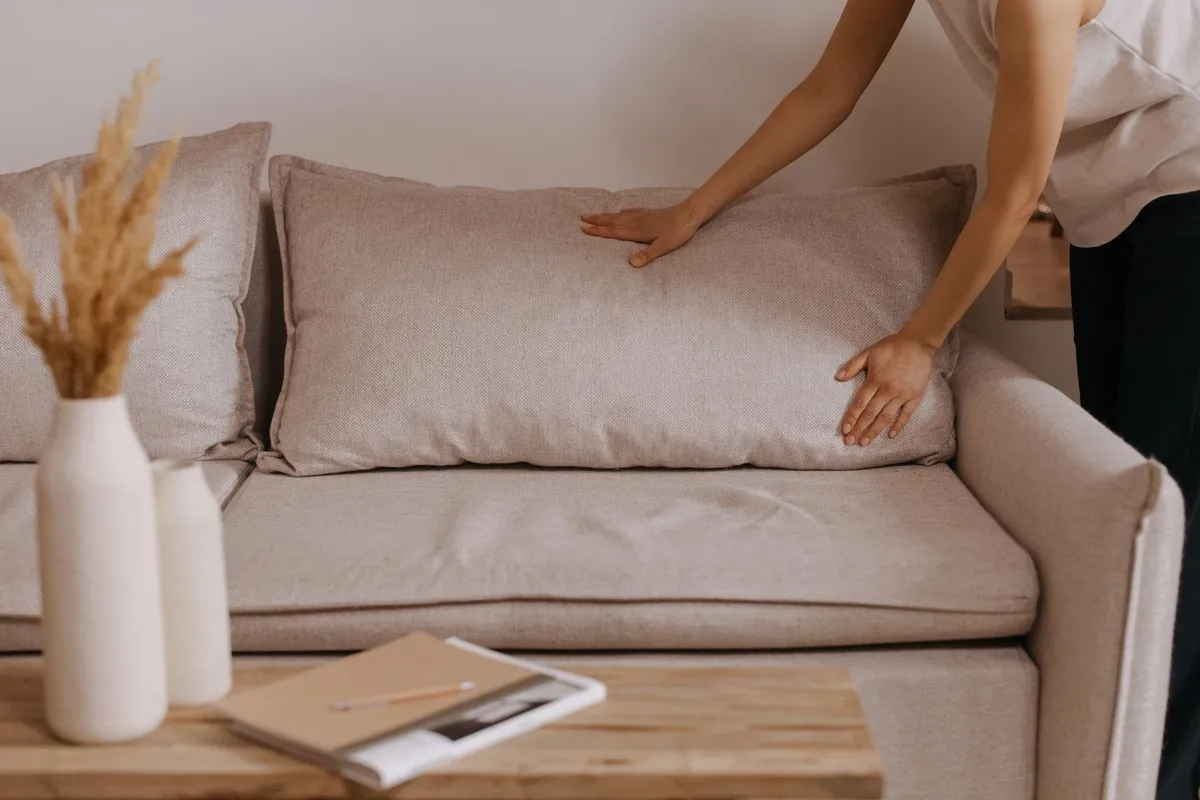
The Rotation Mindset That Changes Everything
One of the smartest things you can do in a small New York apartment is stop trying to keep everything accessible all the time. Not everything you own needs to live within arm’s reach. Seasonal items, heavy blankets, winter boots, holiday decorations, should be stored out of the way during the months you don’t need them, then rotated back in when the season shifts.
Under-bed storage is perfect for this. Flat bins with lids slide easily under most bed frames and can hold a surprising amount. The top shelf of a closet, which most people use as a dumping ground, is actually ideal for labeled bins of off-season gear. When you stop trying to make everything fit in your everyday space, your everyday space suddenly feels much larger.
The same logic applies to kitchen gadgets, hobby supplies, and even paperwork. Ask yourself honestly: how often do I actually use this? If the answer is twice a year, it doesn’t need prime real estate on your counter or in your most accessible cabinet.
When to Stop DIYing and Call Someone In
There’s a point where self-organization stops working, not because you’re lazy or disorganized by nature, but because you’re too close to your own stuff to see it clearly. When you’ve reorganized the same closet three times and it still doesn’t work, or when you open a drawer and genuinely don’t know what’s in there, that’s a signal worth paying attention to.
The team at Clutter Organizer NYC works with clients across the five boroughs who are in exactly that position. They bring an outside perspective that’s hard to replicate on your own, the ability to walk into a space and immediately see what’s working, what isn’t, and what needs to change. Clients consistently describe the experience as less stressful than expected, and the results as more lasting than anything they’d managed on their own.
If you’re not sure whether you’ve crossed that line yet, these five signs that you need a clutter organizer in your NYC home are worth a read. Sometimes just seeing it spelled out is enough to make the decision obvious.
Getting organized in a New York apartment isn’t about perfection. It’s about building a space that stops fighting you every morning and starts actually supporting how you live. Start with one room, one system, one honest look at your habits, and go from there.
Frequently Asked Questions
How do I know if my closet problem is a clutter issue or just a bad setup?
Most NYC apartment closets come with a single rod and one shelf above it, which is one of the least efficient storage configurations possible, so the problem is usually the setup, not the amount of stuff you own. Adding a second hanging rod, shelf dividers, and a few over-the-door organizers can effectively double your usable closet space without getting rid of a single item. If you’ve reorganized the same closet three times and it still doesn’t work, that’s a sign the layout itself needs to change, not just what’s inside it.
What’s the best way to use under-bed storage in a small NYC apartment?
Flat bins with lids slide easily under most bed frames and work best for seasonal items you only need a few times a year, think heavy blankets, winter boots, or holiday decorations. The key is rotating things in and out by season rather than trying to keep everything accessible at once, which is what makes small spaces feel constantly overcrowded. Label the bins so you’re not pulling everything out every time you need to find something specific.
I keep reorganizing but the mess always comes back, what am I doing wrong?
The most common mistake is building a system around how you think you should behave rather than how you actually move through your apartment every day. If your keys always land on the kitchen counter, a hook by the front door sounds logical but won’t stick, you need to put the hook where the keys actually land. The fix isn’t more willpower; it’s designing the space around your real habits, not an idealized version of them.
Is it worth hiring a professional organizer for a small studio, or is that overkill?
It’s worth it specifically because small spaces leave zero margin for a system that’s even slightly off, one drawer that doesn’t make sense can throw off your whole routine in a 400-square-foot apartment. A professional organizer brings an outside perspective that’s genuinely hard to replicate on your own, because you’re too close to your own stuff to see what’s actually working and what isn’t. Clients who’ve tried reorganizing on their own multiple times tend to find the results more lasting when someone else sets the structure.
What wall space changes actually make a difference in a tight NYC kitchen or bathroom?
In a kitchen, a wall-mounted magnetic strip for knives and utensils frees up an entire drawer, which is a meaningful gain when you only have four or five drawers to begin with. In a bathroom, an over-the-toilet shelf unit can triple your storage without any renovation or drilling into tile. Both changes work because they use vertical space above the five-foot mark that most people leave completely empty.
🎧 Listen to this as a podcast
Also on Apple Podcasts, Spotify, and Amazon Music.