
There is a specific kind of chaos that New Yorkers know well, the frantic morning scramble where you cannot find the blazer you need, the shelf above your head is threatening to avalanche, and you are already five minutes behind schedule before you have even had coffee. Good closet organization NYC residents swear by is not about aesthetics or Instagram-worthy shelving. It is about buying back your mornings, one well-placed hanger at a time.

Why Your Closet Is Lying to You About Space
Most people in New York genuinely believe their closet is too small. That belief is usually wrong. What they actually have is a closet that has never been set up to work for them. Clothes from three seasons ago are competing with shoes that no longer fit and bags from a gym membership that lapsed in 2019. The closet is not the problem, the system inside it is.
Before you spend a single dollar on bins, dividers, or a custom shelving unit, the first step is always a full edit. Pull everything out. Every single item. This is not optional. You cannot organize around things you no longer need. Most people are shocked to discover they are storing items they forgot they owned, duplicates of things they already replaced, and clothes that genuinely do not fit their current life.
Once you have cleared the noise, the actual square footage of your closet starts to reveal itself. Double hanging rods can nearly double your hanging capacity in a standard reach-in. Shelf risers create vertical layers where there was previously wasted air. Slim velvet hangers alone can free up several inches of rod space that chunky plastic ones were stealing. The closet did not get bigger, you just stopped fighting it.
The Difference Between Organized and Actually Functional
A closet can look organized and still wreck your morning. Matching bins labeled in a beautiful font mean nothing if the things you reach for every single day are buried behind the things you use twice a year. Functionality is about frequency, not just order.
Think about your routine in honest, practical terms. What do you grab first thing in the morning? Those items belong at eye level and arm’s reach, no bending, no stretching, no digging. Seasonal pieces, formal wear, and anything you use less than monthly can live higher up, lower down, or further back. The goal is a closet that practically hands you what you need before your brain has fully woken up.
Zoning is the concept that makes this work. Divide the space into clear categories, work clothes, casual clothes, gym gear, outerwear, and keep each zone consistent. When everything has a home, getting dressed becomes automatic rather than a decision-making exercise at 7 a.m. Many clients who have worked with a professional clutter organizer in NYC describe this shift as one of the most unexpectedly impactful changes they made to their daily routine.
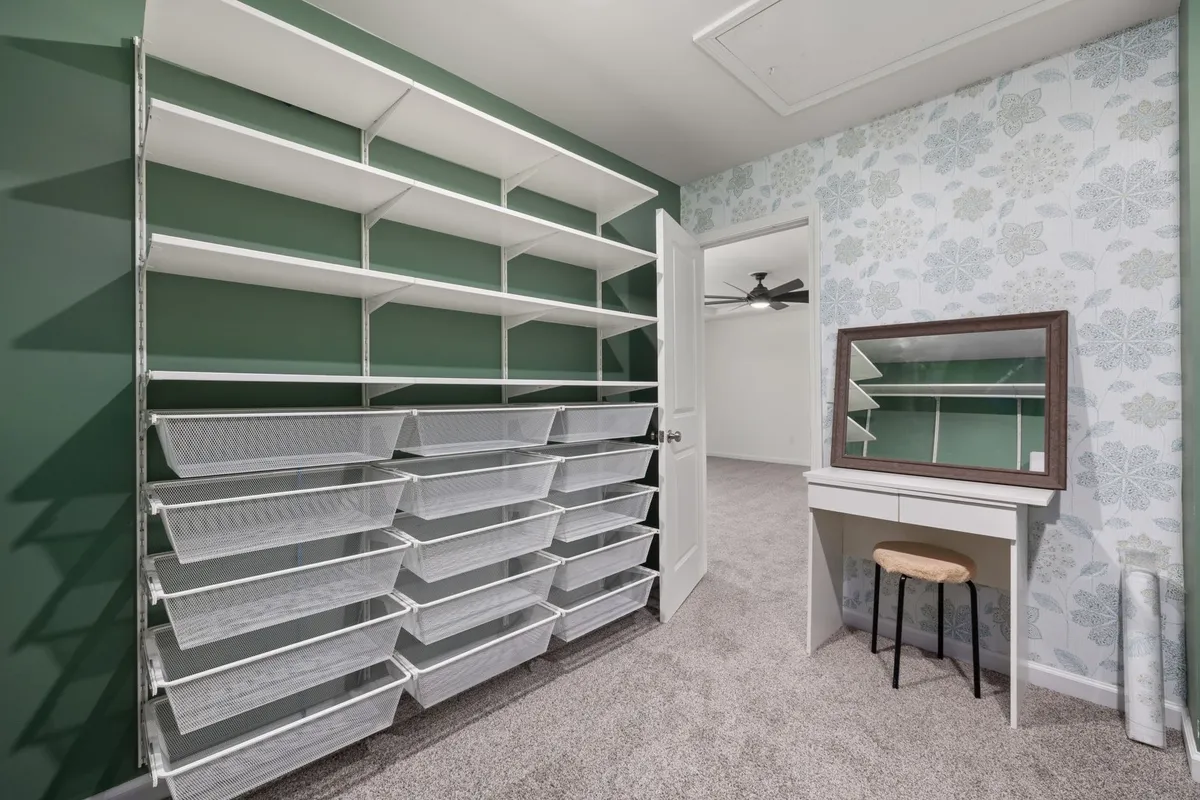
Small Apartment, Big Closet Problems, and Real Solutions
NYC apartments are famously compact, and closets often bear the brunt of that. In a studio or one-bedroom, the closet is frequently doing the job of a storage unit, a linen closet, and a wardrobe all at once. That is a lot to ask of four feet of hanging space.
The most effective approach in small spaces is ruthless category separation. Linens do not belong with clothes. Cleaning supplies do not belong with shoes. When everything gets lumped together out of necessity, nothing is easy to find and the whole system collapses within weeks. If your closet is genuinely overloaded, the answer is not more storage products, it is fewer things competing for the same space.
For apartments where the closet truly cannot hold everything, look at what else the room can do. Over-the-door organizers, under-bed storage, and wall-mounted hooks near the entryway can absorb the overflow without making the apartment feel cluttered. The key is making deliberate choices about what lives where, rather than defaulting to “it goes in the closet” for everything.
If you are not sure where to start, this guide on how to declutter and organize an NYC apartment closet breaks down the process in a way that is actually manageable for real apartments, not staged ones.
When to Stop DIYing and Call Someone In
There is a point where the project stops being a weekend task and starts being a source of ongoing stress. If you have reorganized your closet more than twice in the past year and it keeps sliding back into chaos, that is a sign the underlying system is not working, not that you are doing it wrong.
Professional organizers bring something that goes beyond knowing where to put things. They bring an outside perspective that cuts through the emotional weight many people carry around their belongings. That shirt you have not worn in four years but feel guilty donating? A professional can help you make that call without the spiral. They also tend to spot opportunities that are invisible to someone who has stared at the same closet for years, a reconfigured rod placement here, a better bin size there.
The team at Clutter Organizer NYC works with clients across the boroughs who have tried to tackle their spaces alone and hit a wall. The feedback from people who have gone through the process is consistent, the relief they feel afterward is bigger than they expected, and the results hold up far longer than anything they managed on their own.
A well-organized closet is not a luxury. In a city where mornings are already stacked against you, it is one of the simplest and most effective things you can do to start each day with a little less friction.
Frequently Asked Questions
Do I really need to pull everything out of my closet before I start organizing it?
Yes, and the article is clear that this step is not optional, you cannot build a working system around things you no longer need. Most people find they have been storing forgotten items, duplicates, and clothes that no longer fit their actual life, and those things are eating up space that could be doing real work. Once you remove them, the usable square footage in your closet tends to surprise you.
What are the quickest ways to get more hanging space in a standard NYC reach-in closet without spending a lot of money?
Switching from chunky plastic hangers to slim velvet ones can free up several inches of rod space on its own, which adds up fast in a tight closet. Adding a double hanging rod can nearly double your hanging capacity without any major installation. Shelf risers are another low-cost fix that create vertical layers where there was previously just wasted air above folded items.
My closet looks tidy but I still can’t find anything in the morning, what am I doing wrong?
The problem is likely that your closet is organized by appearance rather than by how often you actually use things. Items you reach for every single day should be at eye level and arm’s reach, while seasonal pieces, formal wear, and anything used less than monthly can go higher up, lower down, or further back. A closet that looks neat but buries your daily essentials will still wreck your morning routine.
My studio closet is holding clothes, linens, and cleaning supplies all at once, is there a fix for that?
The article points directly to this problem: when everything gets lumped together out of necessity, the whole system collapses within weeks because nothing is easy to find. The first move is separating categories strictly, linens do not belong with clothes, and cleaning supplies do not belong with shoes, even if space is tight. Over-the-door organizers, under-bed storage, and wall-mounted hooks near the entryway can absorb the overflow so the closet is not trying to do five jobs at once.
How do I know when it makes sense to hire a professional organizer instead of tackling my closet myself?
A clear sign is if you have reorganized the same closet more than twice in the past year and it keeps sliding back into chaos, that means the underlying system is not working, not that you are doing it wrong. Professional organizers also bring an outside perspective that helps cut through the guilt and emotional weight people carry around items they have not used in years but struggle to let go of. According to the article, people who go through the process consistently describe the relief as bigger than they expected, and the results tend to hold up longer than anything they managed on their own.