
Most people think their home is reasonably tidy, until a professional clutter organizer NYC steps through the door and quietly points to the cabinet you haven’t opened since 2021, the junk drawer that’s become a black hole, and the closet shelf that’s been “temporary storage” for three years running. It’s not a judgment. It’s just that trained eyes see what we’ve learned to stop seeing. And in New York City apartments, where every square foot costs a small fortune, overlooked mess isn’t just an aesthetic problem, it’s a practical one.
The Spots You Walk Past Every Single Day
There’s a psychological phenomenon called “clutter blindness”, and it’s completely real. When you live with the same pile of mail on the kitchen counter or the same tangle of cords behind the TV stand for long enough, your brain simply stops registering it as a problem. It becomes part of the furniture, part of the background noise of your home.
Professional organizers are immune to this. They walk into a space fresh, without the emotional attachment or the habituation that makes homeowners overlook the obvious. The spots they flag most often? The area directly behind the front door (a dumping ground in nearly every NYC apartment), the space under the bed, the top shelves of closets, and the kitchen pantry, where expired goods and duplicate purchases quietly multiply.
These aren’t dramatic disaster zones. They’re the subtle, creeping accumulations that chip away at how functional and comfortable a home actually feels. And because they’re not visually catastrophic, they tend to stay untouched for years.
Why NYC Apartments Make This Problem Worse
Living in New York means making peace with limited space, but it also means that disorganization compounds faster than it would in a larger home. A three-bedroom house in the suburbs has room to absorb clutter. A 650-square-foot apartment in Brooklyn or a studio in Manhattan does not.
The result is that things get stacked, shoved, and wedged into places that technically work but practically don’t. The bathroom cabinet that takes three tries to close. The coat closet where nothing can actually be retrieved without pulling everything else out first. The kitchen drawer that requires a specific jiggling technique to open.
These are the signs that a space isn’t organized, it’s just contained. And there’s a real difference. If you’ve ever wondered whether your apartment is actually working for you or against you, these five signs are worth a look. The friction you feel every morning getting ready, every evening cooking dinner, that’s not just inconvenience. It’s the cost of disorganization showing up in your daily life.

What a Trained Eye Actually Catches
Beyond the obvious clutter zones, experienced organizers look at flow, how a person actually moves through a space and whether the layout supports or fights against those natural patterns. A coffee maker stored on the opposite side of the kitchen from the mugs seems like a small thing. But multiplied across dozens of similar mismatches throughout an apartment, it creates a home that constantly works against you.
They also look at category creep, items that have migrated far from where they logically belong. Chargers in the linen closet. Batteries in the junk drawer, the kitchen cabinet, and the bedside table simultaneously. Seasonal items taking up prime real estate in everyday storage zones.
The team at professional organizer in NYC has worked in apartments across the boroughs, from compact studios in Queens to sprawling pre-war layouts in Manhattan, and the pattern is consistent: the mess that bothers people least is often the mess doing the most damage to how their space functions. Clients frequently describe the feeling after a session not as “cleaner” but as “lighter,” which is a telling distinction. The physical stuff was always there. It just wasn’t working.
If you want to understand how a professional can genuinely reshape the way your apartment functions, not just tidy it up, this breakdown of what a transformation actually looks like is worth reading before you book anything.
Getting Honest About What “Organized” Actually Means
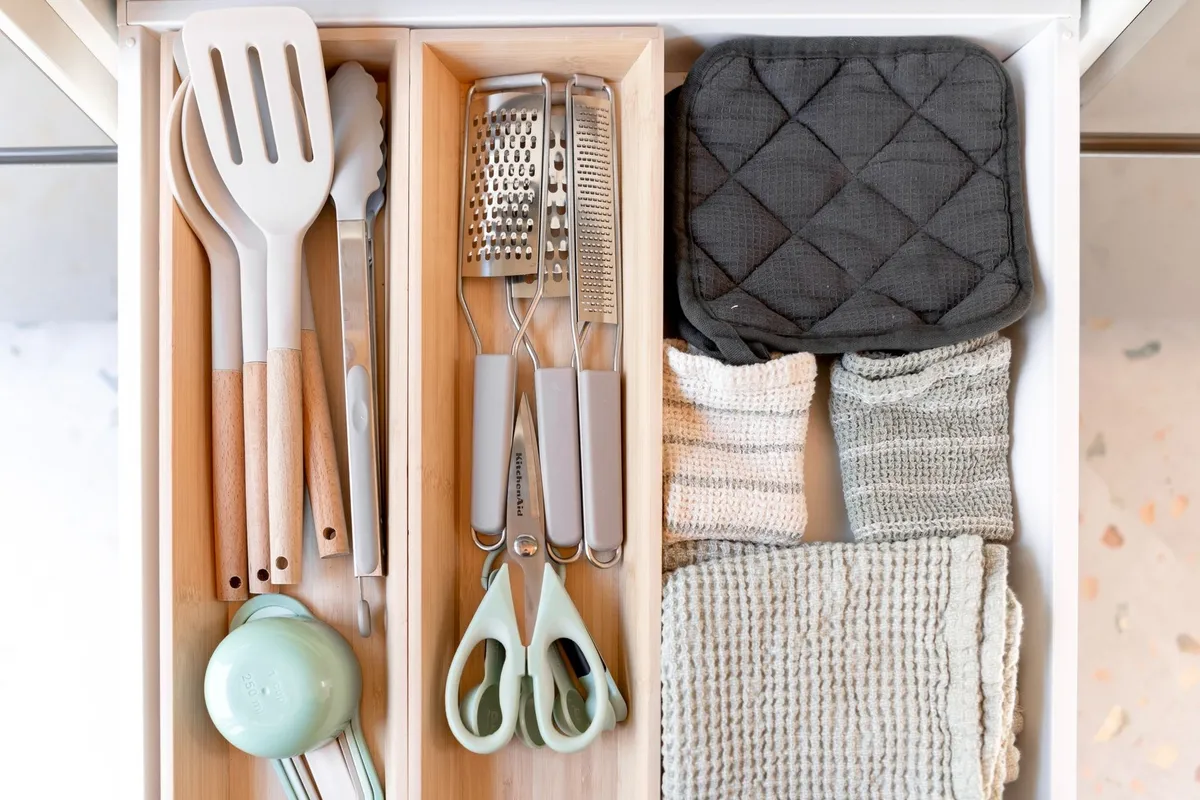
Here’s the uncomfortable truth: a home can look clean and still be disorganized. Surfaces can be clear while cabinets are chaos. Beds can be made while closets are stuffed to the point of uselessness. The Instagram version of organization, matching bins, labeled everything, color-coded shelves, is aspirational, but it’s not the point.
Real organization is functional. It means you can find what you need without stress, put things away without a second thought, and move through your home without friction. It means your storage solutions actually reflect how you live, not how you wish you lived or how a lifestyle blogger lives.
Getting there often requires an outside perspective, someone who can look at your space without the emotional weight of every object in it, and who understands the specific constraints of New York City living. The home organization services that make a real difference aren’t about making your apartment look like a showroom. They’re about making it work like one.
The overlooked mess in your home isn’t a moral failing. It’s just what happens when life moves fast and space is tight. The first step is simply being willing to look at it clearly, ideally with someone who does exactly that for a living.
Frequently Asked Questions
What are the most common spots in a New York City apartment that professional organizers flag first?
The area directly behind the front door, the space under the bed, top closet shelves, and the kitchen pantry tend to be the first places a professional organizer notices problems. These aren’t dramatic disaster zones, they’re the slow, quiet accumulations that build up over months or years precisely because they’re easy to walk past without registering them as issues. In a small apartment, those spots add up fast and quietly eat into how functional the whole space feels.
What’s the difference between a home that looks clean and one that’s actually organized?
A home can have clear surfaces and made beds while the cabinets and closets behind those surfaces are completely unworkable. Real organization means you can find what you need without stress, put things away without a second thought, and move through your space without friction, not just that things are hidden out of sight. If your bathroom cabinet takes three tries to close or your coat closet requires pulling everything out to retrieve one item, the space is contained, not organized.
Why does clutter become a bigger problem in NYC apartments specifically than in larger homes?
A 650-square-foot apartment in Brooklyn or a studio in Manhattan simply has no room to absorb the kind of gradual accumulation that a larger suburban home can handle. When space is tight, things get stacked, shoved, and wedged into spots that technically hold them but make daily life harder, a kitchen drawer that requires a specific jiggling technique to open is a good example. The smaller the apartment, the faster disorganization compounds and the more it affects how the whole space functions day to day.
What is “clutter blindness” and how does it affect the way I see my own apartment?
Clutter blindness is what happens when you live with the same pile of mail on the counter or the same tangle of cords behind the TV long enough that your brain stops registering them as problems, they just become part of the background. A professional organizer walks in without that habituation, so they immediately notice what you’ve learned to stop seeing. That fresh perspective is a big part of why a single session can surface issues that have been sitting untouched for years.
What is “category creep” and why does it matter when assessing how organized a space actually is?
Category creep is when items gradually migrate far from where they logically belong, batteries scattered across three different rooms, chargers in the linen closet, seasonal items taking up everyday storage space. It matters because it means you’re constantly working against your own apartment, spending extra time and mental energy locating things that should be immediately at hand. Fixing category creep is less about tidying and more about making sure your storage actually reflects how you live, not some idealized version of it.