Brooklyn apartments have a reputation for being charming, character-filled, and, let’s be honest, extremely tight on space. Whether you’re in a Carroll Gardens brownstone or a Bushwick loft that looked bigger in the listing photos, the challenge is the same: too much stuff, not enough room. Hiring a clutter organizer Brooklyn NYC residents trust has become one of the most practical moves people are making right now, and for good reason. The strategies that actually work here aren’t the same ones you’d find in a generic home organization blog written for someone with a two-car garage in the suburbs.
Why Brooklyn Living Demands a Different Playbook
Space in Brooklyn is a premium that only keeps rising. The average apartment is smaller than most people’s mental image of “a normal home,” and the storage options, if you’re lucky, might include one shallow closet and a corner of the kitchen you’ve been pretending is a pantry.
What makes decluttering here genuinely different is the density of life packed into these spaces. You might be working from home, raising kids, running a side business, and trying to maintain some version of a social life, all within 700 square feet. That’s not a storage problem. That’s a systems problem.
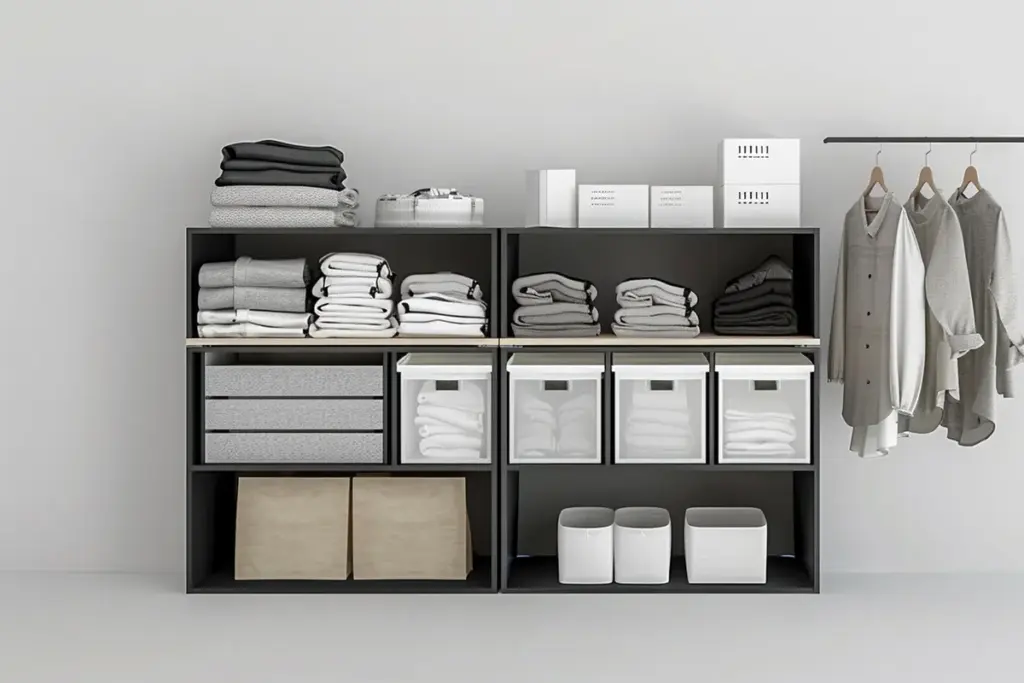
The most effective approach isn’t to simply throw things out. It’s to rethink how every inch of your space is being used. Vertical storage, shelving that goes all the way to the ceiling, is one of the most underused strategies in Brooklyn apartments. Most people stop at eye level. Everything above that is dead space, and dead space in a Brooklyn apartment is basically throwing money away.
Furniture that works double duty is another non-negotiable. Ottomans with storage inside, beds with drawers underneath, benches at the entryway that also hold shoes, these aren’t design trends, they’re survival tools. If a piece of furniture only does one thing, it needs to earn its place or go.
The Stuff You’re Keeping for the Wrong Reasons
Here’s something most people don’t want to hear: the clutter in your apartment isn’t random. It’s emotional. People hold onto things because of guilt, nostalgia, or the vague sense that they might need it someday. In a small space, that thinking is expensive, not just mentally, but physically. Every item you keep that you don’t use or love is taking up real estate you’re paying for.
One of the most common patterns seen by professional organizers working in Brooklyn is what you might call the “just in case” pile. The extra set of dishes for when you host a dinner party you’ve never actually hosted. The exercise equipment you bought during a motivated moment. The boxes from your last move that you never fully unpacked because you weren’t sure where things would go.
A good declutter and organize service will help you work through these categories methodically, not by pressuring you to throw everything out, but by asking the right questions. Does this item fit your life as it actually is, not as you imagine it might be? That single question can cut through years of accumulated stuff faster than any organizational system.
Many clients who’ve worked with professional organizers in the borough describe a similar feeling afterward, a kind of lightness that goes beyond just having a tidier apartment. The mental load of managing a cluttered space is real, and getting rid of it tends to affect people in ways they didn’t fully anticipate.

Room by Room: Where to Start and What to Tackle First
One of the biggest mistakes people make when they decide to declutter is trying to do everything at once. They pull everything out of every room, get overwhelmed, and end up with a bigger mess than they started with. The better approach is strategic and sequential.
Start with the entryway. It’s the first thing you see when you walk in and the last thing you see when you leave. If it’s chaotic, it sets the tone for the whole apartment. A few hooks, a small bench, and a clear rule about what belongs there can transform how the entire space feels.
From there, move to the kitchen. In Brooklyn apartments, kitchens are often galley-style, narrow, with limited counter space. The goal here is ruthless editing. Duplicate tools, gadgets used twice a year, mismatched containers without lids, these are the usual culprits eating up your cabinet space. Keep what you actually cook with. Everything else is just noise.
Closets deserve their own focused session. If you want a deeper look at how to approach this, there’s a solid breakdown in this guide on how to declutter and organize a NYC apartment closet the right wayit covers the specifics that most people skip over.
Bedrooms come last. They tend to be the most personal and emotionally loaded spaces, which is why you want some momentum and confidence built up before you get there.
When to Call in Backup
There’s no shame in recognizing that some situations need professional help. If you’ve been meaning to tackle a cluttered space for months, or years, and it hasn’t happened, that’s not a willpower problem. It’s a support problem.
A professional clutter organizer brings something that’s hard to replicate on your own: an outside perspective. They’re not attached to your stuff. They don’t have the same emotional history with the boxes in your closet. That objectivity is genuinely useful, especially when you’re dealing with a space that’s been accumulating things for years.
The team at Clutter Organizer NYC works throughout Brooklyn and the surrounding boroughs, and they’ve seen every variety of small-space challenge this city can throw at a home. The approach is practical, judgment-free, and built around what actually works in real New York apartments, not idealized spaces from a design magazine.
If your space has been stressing you out, it’s worth taking that seriously. A well-organized home in a city like this isn’t a luxury. It’s how you stay sane.
Frequently Asked Questions
How do I know if my apartment problem is a storage issue or a systems issue?
If you keep buying organizers and bins but the space still feels chaotic, it’s almost certainly a systems problem, meaning the way you’re using the space doesn’t match how you actually live in it. The article makes a clear distinction here: small Brooklyn apartments often pack in remote work, kids, a side business, and a social life all within 700 square feet, and no amount of extra shelving fixes that without rethinking how every inch is being used. Start by asking whether your furniture is doing more than one job, if it isn’t, that’s usually where the breakdown begins.
What’s the biggest mistake people make when they finally decide to declutter their Brooklyn apartment?
Trying to do everything at once. Pulling everything out of every room at the same time almost always leads to overwhelm, and people end up with a bigger mess than they started with. The smarter move is to go room by room in a specific order: entryway first, then kitchen, then closets, and bedrooms last, because bedrooms tend to be the most emotionally loaded and you want some momentum before you get there.
Why is it so hard to get rid of things even when I know the apartment is too cluttered?
Because most clutter isn’t random, it’s emotional. People hold onto things out of guilt, nostalgia, or the “just in case” logic, like keeping an extra set of dishes for a dinner party that’s never actually happened or boxes from a move that never got fully unpacked. The useful question to ask yourself is whether an item fits your life as it actually is right now, not as you imagine it might be someday, that one question tends to cut through years of accumulated stuff faster than any sorting system.
What vertical storage mistake do most people in small apartments make?
Most people stop shelving at eye level, which leaves everything above it as completely wasted space. In a Brooklyn apartment where you’re paying a premium for every square foot, that dead space near the ceiling is essentially money you’re not using. Running shelving all the way to the ceiling is one of the most underused strategies in small apartments, and it makes a significant difference without requiring any additional floor space.
Is hiring a professional organizer actually worth it if I’ve just been putting off doing it myself?
If the space has been on your to-do list for months or years and it still hasn’t happened, the article is direct about this: that’s not a willpower problem, it’s a support problem. The practical value a professional brings is objectivity, they have no emotional history with your stuff, which makes it much easier to work through the categories that tend to stall people when they try to do it alone. Many people who’ve gone through the process describe a mental lightness afterward that goes beyond just having a tidier apartment, which suggests the payoff tends to be bigger than expected.