New York City apartments are legendary for two things: sky-high rents and shockingly little square footage. When a friend recommended hiring a clutter organizer NYC after she transformed her chaotic 600-square-foot Brooklyn studio into something that actually felt livable, I started paying closer attention to what these professionals actually do, and why so many New Yorkers are turning to them instead of just renting a storage unit and calling it a day.

Your Apartment Isn’t Too Small, It’s Just Working Against You
This is the thing most people get wrong. They assume the problem is square footage when the real problem is how that square footage is being used. A cramped bedroom with clothes piled on a chair, boxes shoved under the bed, and a closet so packed you can’t see the back wall isn’t a small apartment problem, it’s a systems problem.
Professional organizers who work specifically in NYC apartments understand this distinction deeply. They come in and look at your space the way an architect might: where is the dead space? What’s being used inefficiently? A corner that collects random bags, a hallway closet stuffed with things you haven’t touched in three years, a kitchen counter buried under appliances you use twice a year, these are all recoverable spaces. The goal isn’t to own less for the sake of minimalism. It’s to make sure every inch of your apartment is actually pulling its weight.
If you’ve been wondering whether your place has hit a tipping point, these signs that you need a professional organizer are worth a quick read before you convince yourself another storage bin will fix things.
The Difference Between Tidying Up and Actually Organizing
Most people tidy. Very few people organize. Tidying is moving things around so the apartment looks better for the next 48 hours. Organizing is building a structure so that things have a logical home, and more importantly, so that putting them back there takes zero thought.
This is where a skilled professional earns their fee. They don’t just sort through your belongings and tell you what to throw away. They map out how you actually live in your space. Do you tend to drop things at the door? Then the entryway needs a system. Do you work from home and find your desk constantly buried? Then your storage setup isn’t matching your workflow.
The declutter and organize service that works best for NYC apartments is one that treats the space as a whole, not just the visible mess, but the underlying habits that created it. That’s a very different approach from buying a bunch of matching bins at a home goods store and hoping for the best.
Many clients who’ve worked with professional organizers in the city describe a similar experience: they expected someone to come in and judge their mess, and instead walked away with a space that finally made sense, and the confidence to keep it that way.
Room by Room: Where NYC Apartments Lose the Most Space
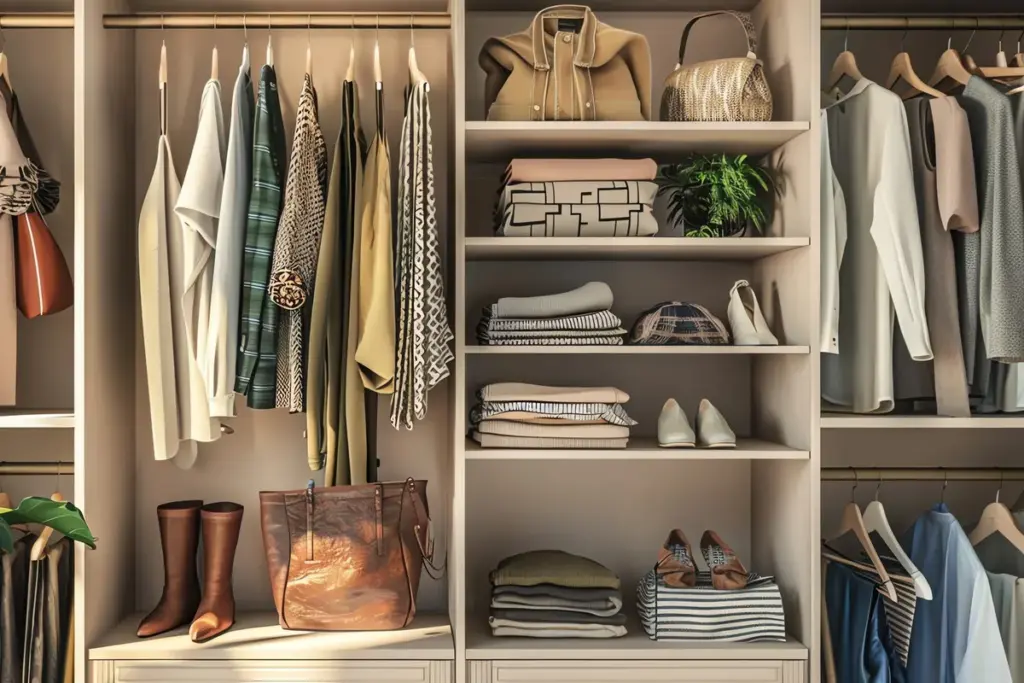
Closets are the obvious starting point. In a city where walk-in closets are a fantasy and most apartments offer a single rod and a shelf, the way you use vertical space makes an enormous difference. A good organizer will look at what you actually wear, what’s seasonal, and what’s taking up prime real estate for no good reason. Double-hang rods, shelf dividers, over-door storage, these aren’t complicated solutions, but they require someone to assess your specific closet before recommending them.
Kitchens in NYC apartments are another story entirely. Galley kitchens with minimal cabinet space force you to be ruthless about what stays and what goes. A professional can help you figure out which appliances deserve counter space and which ones should be stored, or donated. For a deeper look at how this plays out in practice, this piece on how a professional organizer can transform your NYC apartment breaks it down room by room.
Living rooms and bedrooms in smaller apartments often double as offices, gyms, or guest rooms. When a space has to serve multiple purposes, organization becomes even more critical. Furniture placement, hidden storage, and clear zones for different activities can make a studio feel like it has separate rooms, without knocking down a single wall.
Why Doing It Yourself Usually Doesn’t Stick
There’s no shame in admitting that the weekend decluttering project you planned in January still hasn’t happened. It’s not laziness, it’s the fact that organizing your own space is genuinely hard. You’re too close to your own stuff. Every item carries a memory, a justification, a “but I might need this someday.” A professional brings an outside perspective that cuts through all of that without being cold about it.
They also bring accountability. When someone is standing in your apartment with you, decisions get made. Bags get filled. Things leave the building. That momentum is hard to replicate on your own, especially in a city where everyone is already stretched thin on time and energy.
The organizers who work across ManhattanBrooklynand Queens have seen every version of apartment chaos this city produces. They’re not surprised by anything, and that makes the whole process a lot less intimidating than most people expect.
The bottom line is simple: your apartment has more potential than you’re currently getting out of it. A skilled organizer doesn’t just help you clean up, they help you reclaim the space you’re already paying a premium to live in.
Frequently Asked Questions
Will a professional organizer just tell me to throw everything away?
No, the goal isn’t to push you toward minimalism or get rid of things for the sake of it. The focus is on making sure every item in your apartment has a logical home that fits how you actually live, not on judging what you own. Clients who’ve gone through the process often say they expected criticism and instead came away with a space that finally made sense to them.
My apartment is only around 600 square feet, is it even worth bringing someone in?
That’s exactly the size where professional organizing tends to make the biggest difference, because inefficient use of space hits harder when you have less of it to work with. The issue in most small NYC apartments isn’t the square footage itself, it’s dead corners, overstuffed closets, and counter space buried under appliances used twice a year. Those are fixable problems regardless of how small the apartment is.
What’s the difference between what a professional does and what I’d do on my own over a weekend?
When you organize your own space, every item comes with a memory or a justification that slows the whole process down, and most weekend projects stall out before anything actually leaves the apartment. A professional brings an outside perspective that cuts through that, and the accountability of having someone physically present means decisions actually get made. That momentum is genuinely hard to replicate on your own, especially in a city where free time is already scarce.
Which rooms in a typical NYC apartment waste the most space?
Closets are usually the biggest culprit, most NYC apartments offer a single rod and a shelf, and without using vertical space well, that’s a lot of wasted room. Galley kitchens are a close second, where counter space disappears under appliances that rarely get used. Living rooms and bedrooms that double as offices or guest spaces also tend to fall apart without clear zones and hidden storage built into the plan.
Do I need to buy a lot of bins and storage products before they arrive?
No, buying a bunch of matching bins before anyone has assessed your specific space is actually one of the most common mistakes people make. A professional will look at your actual closet dimensions, your habits, and what you own before recommending anything specific, whether that’s double-hang rods, shelf dividers, or over-door storage. Solutions get chosen based on your space, not the other way around.